 Kisandu Dehan
Travel News
#Travel News
#EES
#Europe Border Control
#UK Travellers
#British Passport
Kisandu Dehan
Travel News
#Travel News
#EES
#Europe Border Control
#UK Travellers
#British Passport
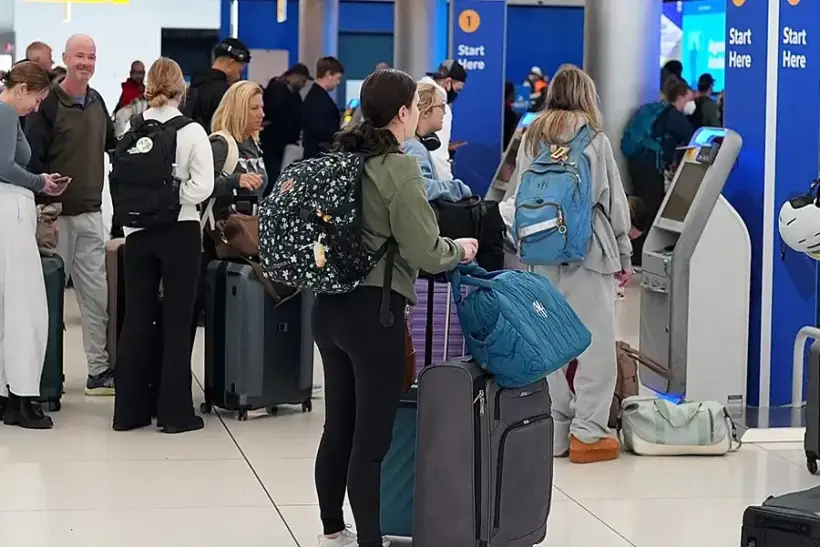
What Is the EES and Why Does It Matter?
The EES replaces the old passport stamp with a fully digital border system. Every non EU traveler,including British citizens,must now register their biometric data, including facial scans and fingerprints, every time they enter or exit any of the 29 Schengen countries. The idea was to make European borders smarter and more secure. In practice, the rollout has been, in the words of the airlines group A4E, a systemic failure.
The Warnings Nobody Listened To
Major aviation bodies, ACI Europe, Airlines for Europe, and IATA, had been warning the European Commission for months that the system was not ready for peak travel volumes. They flagged three recurring problems: chronic understaffing at border control, unresolved technical faults with automated gates, and very low uptake of the Frontex pre-registration app. Those warnings went largely unheeded. When full operations began in April, the queues confirmed every concern that had been raised.
What This Means Specifically for UK Travellers?
British passport holders are classed as third-country nationals since Brexit, meaning EES checks are mandatory on every trip to Europe, whether it's a weekend in Paris, a cruise departing from Barcelona, or a villa holiday in Greece. In France, the Parafe e gates that handle facial recognition still do not process UK passports, meaning British travellers must queue at staffed desks regardless of how modern the airport looks.
Airlines Are Pushing Back
A4E and ACI Europe have jointly called on the European Commission to allow airports to fully suspend EES checks when queues become unmanageable, a flexibility that existed during the phased rollout but was removed when full operations began on 10 April. So far, Brussels has defended the system, pointing to an average registration time of 70 seconds in ideal conditions. Airport operators say that figure bears no resemblance to what is actually happening on the ground.
What You Can Do Right Now?
With peak summer season now approaching, the situation remains live. The EES is not going away, but you can take steps to reduce the impact:
- Register on the Frontex pre-registration app before you travel.
- Arrive at the airport earlier than you normally would.
- Build extra time into any connecting itineraries.
- If travelling on a cruise departing from a European port, speak to your travel agent about embarkation timing, border delays could affect boarding.
Don't Let Border Chaos Derail Your Summer Plans
At Blue Lotus Vacations UK, we're keeping a close eye on developments and are here to help you plan around any disruption. Whether you need advice on European holidays, cruise departures, or anything in between, our team is on hand.