 Admin
Travel News
#Asia floods
#2025 floods
#Sri Lanka floods
#Thailand floods
#Climate change
Admin
Travel News
#Asia floods
#2025 floods
#Sri Lanka floods
#Thailand floods
#Climate change
December 02, 2025
Asia floods: Over 1,300 dead as nations reel from “historic” disaster
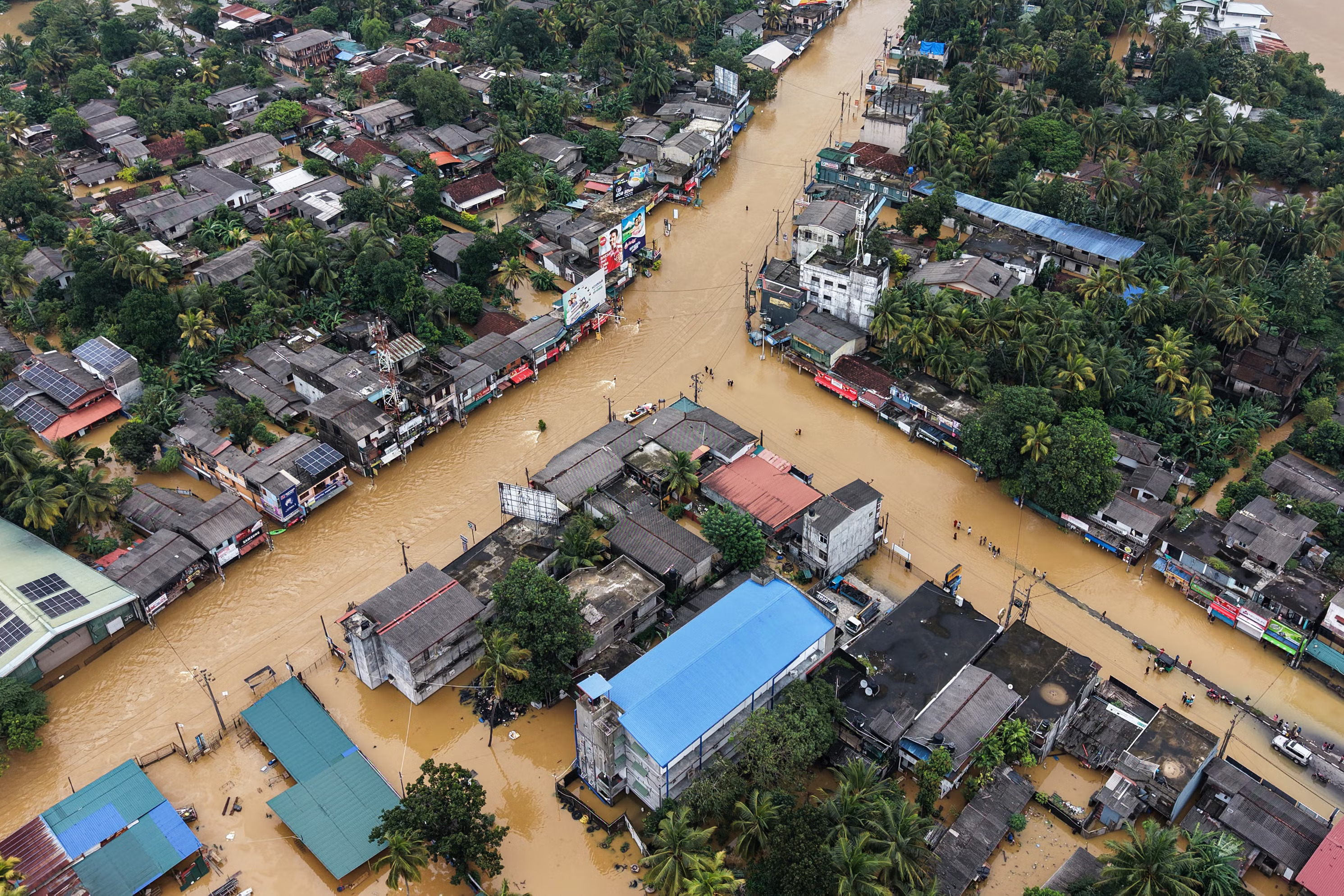
A week of heavy monsoon rains, along with several tropical storms and cyclones, has caused one of the deadliest flood disasters in recent memory across Southeast and South Asia. As of early December 2025, the confirmed death toll has exceeded 1,300, with hundreds more still missing and entire communities devastated by floods and landslides.
A region under water: Indonesia hardest hit
Sumatra, Indonesia has experienced the worst effects. Floodwaters and landslides have destroyed homes, washed away bridges, and severed roads. The country's disaster management agency reports that the death count in Indonesia has risen significantly, with hundreds confirmed dead and many more unaccounted for.
Remote villages are cut off, making rescue and aid efforts difficult. Thousands have been evacuated, but many are still waiting for food, clean water, and medical assistance.
Sri Lanka and Thailand in crisis
In Sri Lanka, Cyclone Ditwah caused historic floods and landslides, particularly in the central hilly regions. This disaster has led to over 400 confirmed deaths, with many more missing and widespread displacement throughout the country. Authorities in Colombo have declared a state of emergency.
In southern Thailand, dozens of provinces have been hit by record rainfall. Streets are submerged, infrastructure is damaged, and an estimated 170 to 180 people have died. Tens of thousands have been displaced.
Why this disaster was so severe
Experts link the scale and intensity of the floods to a combination of extreme weather factors. Warmer seas and more moisture in the atmosphere have increased rainfall, a trend driven by global climate change. Additionally, storms that impacted the region produced unusually high amounts of rain in short timeframes.
The mix of saturated soil, deforested hills, and poor land use turned previously safe areas into deadly zones during the heavy rain, leading to landslides that resulted in mass fatalities in elevated regions.
Rescue efforts under strain, long-term consequences loom
Relief efforts are in progress, but they face major challenges. Flooded roads and collapsed bridges obstruct the delivery of aid. Some communities can only receive supplies dropped from the air.
Authorities caution that the death toll may rise further as search efforts continue. Displaced families are struggling with the loss of homes, livelihoods, and access to clean water. In the coming weeks, health risks like waterborne diseases and shortages of food and shelter could worsen the crisis.
Simultaneously, governments in the region are under increasing pressure to enhance disaster preparedness, strengthen early-warning systems, promote sustainable land use, and provide urgent support to millions who are now facing a long path to recovery.